
Reviewed · AQABA TOURS
Walking Tour, Visit the Old Town and Markets, Taste Food
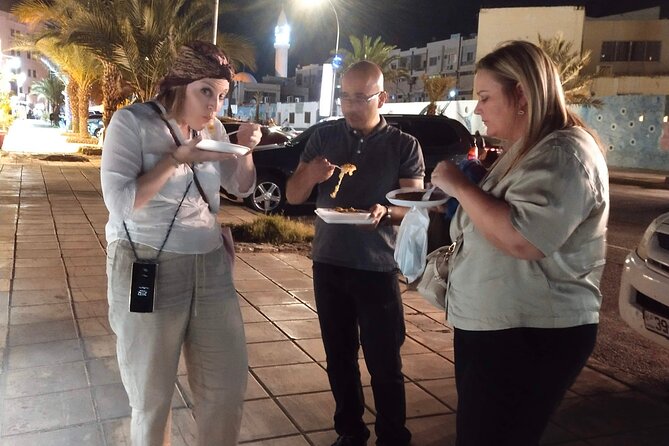
Start with tea, then follow Aqaba’s food trail. This three-hour walking tour brings you into local cafés, markets, spice shops, bakeries, and food stalls that can be hard to find on your own. I especially like the chance to visit Khabni, Aqaba’s oldest shisha café, and the walk through Souq al Khodra, the city’s first established market.
I also like the strong personal touch from guides such as Abed and Mohamed, who bring humor, warmth, and clear English to the experience. The main consideration is that this is a market walk, not a major sightseeing tour, so you should book it for local food and everyday culture rather than famous monuments or grand views.
In This Review
- Key Points About This Aqaba Food Tour
- Why This Tour Shows You a Different Aqaba
- Meeting at McDonald’s and Getting Your Bearings
- Khabni Café: Tea and Local Conversation
- Souq al Khodra and Aqaba’s First Market
- Spices That Explain Jordanian Cooking
- Bakeries, Sweets, Coffee, and Street Food
- Guides Abed and Mohamed Set the Tone
- What $47 Gets You
- Who Should Book This Walking Tour
- Should You Book the Aqaba Food and Market Walk?
- FAQ
- Where does the Aqaba walking tour begin?
- Where does the tour end?
- How long does the experience last?
- What places does the tour visit?
- What drinks can you try at Khabni café?
- Does the tour include food tasting?
- How many people can join the tour?
- Can I cancel for a full refund?
Key Points About This Aqaba Food Tour

- Begin at McDonald’s in Aqaba: The meeting point is simple to find, and the tour ends back there.
- Drink tea at Khabni café: Choose hibiscus tea or cardamom tea while hearing how local friends spend time together.
- Walk through Souq al Khodra: See Aqaba’s first market, with meat shops, vegetable sellers, herbs, and everyday local trade.
- Taste Jordanian flavors: The route includes spices, traditional sweets, bakery treats, coffee, tea, and street food.
- Learn from local guides: Abed and Mohamed are praised for warm personalities, humor, English skills, and pride in Aqaba.
- Plan for a small-group feel, with up to 30 people: The maximum is not tiny, but the walking route still focuses on personal contact.
Why This Tour Shows You a Different Aqaba
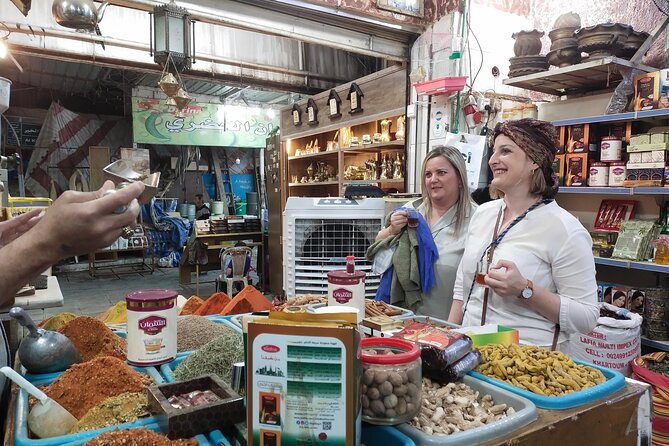
Aqaba is often treated as Jordan’s seaside stop, a place for beach time, diving, and a quick pass through before heading to Wadi Rum or Petra. Those activities have their place, but they do not always show you how people in Aqaba spend an ordinary afternoon.
This tour takes a simpler route. You walk through working markets, stop for drinks, examine spices, and taste foods tied to Jordanian life. I like this kind of experience because it gives you context for the meals you eat later. After seeing herbs sold from small carts and spices prepared for local dishes, a plate of food feels less like a restaurant order and more like part of a larger daily routine.
The tour also gives you a reason to slow down. The old market is not presented as a polished attraction. It is a place where people buy meat, vegetables, herbs, and other household goods. You may see shopkeepers at work and farmers selling produce from simple carts. That ordinary setting is the point.
The strongest part of the experience is the contact with local people. Your guide explains what you are seeing and helps turn a quick walk through the souk into a cultural conversation. The focus is not only on food, but also on how people meet, talk, shop, and share time.
More Aqaba trips:
- 3-Day Private Tour from Amman: Petra, Wadi Rum, Dana, Aqaba, and Dead Sea
★ 5.0 · 425 reviews - Wadi Rum Full Day Jeep Tour + Overnight & Dinner in Bedouin Camp
★ 5.0 · 368 reviews - Wadi Rum: Morning or Sunset Jeep Tour
★ 5.0 · 285 reviews
Meeting at McDonald’s and Getting Your Bearings
The tour begins at the gate of McDonald’s in Aqaba. That is a practical meeting point, especially if you are unfamiliar with the city or arriving by public transportation. The activity is near public transportation, and your mobile ticket makes the booking easy to keep on your phone.
From the meeting point, you begin walking with your guide. Since the experience lasts about three hours and returns to the same location, it is easy to fit into a wider Aqaba schedule. You do not need to arrange a separate ride back from an unfamiliar neighborhood.
I would still arrive a little early. The meeting point is clear, but a city walk works best when you are not rushing to find the group. Wear comfortable shoes, since the experience is built around walking between cafés, markets, food shops, and stalls.
The group can include as many as 30 people. That is a useful detail to consider. A group of that size may feel less intimate than a private walk, but it also keeps the price reasonable at $47. The guide’s personality matters here, and the comments about Abed and Mohamed suggest that they are comfortable keeping the group engaged.
Khabni Café: Tea and Local Conversation
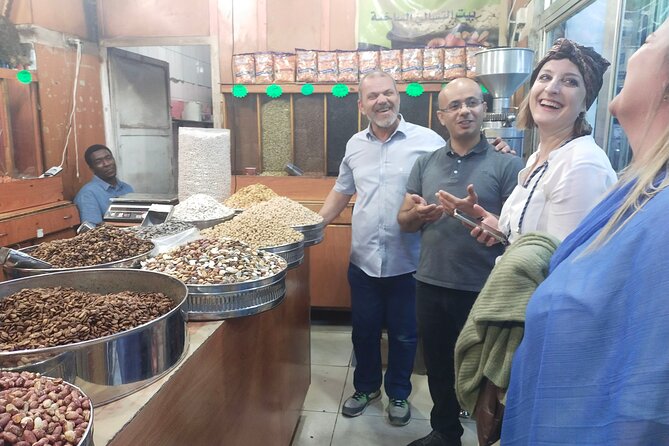
One of the most distinctive stops is Khabni, described as Aqaba’s oldest shisha café. You stop there for hibiscus tea or cardamom tea and hear about the café’s place in local life.
This is more than a drink stop. Your guide explains how local people spend time there with friends. That small detail gives the café meaning. Instead of simply photographing an old establishment, you learn how it functions as a social space.
The choice of tea also gives you an early taste of Jordanian flavors. Hibiscus tea has a different character from cardamom tea, and both help set the tone for the rest of the walk. The experience is not built around a formal cooking demonstration. It is built around tasting, talking, and noticing the role food and drink play in everyday relationships.
I particularly like this opening because it avoids rushing straight into a list of market stalls. You begin with people and conversation. That makes it easier to understand the markets that follow.
If you are expecting a quiet café with a long sit-down break, keep your expectations modest. The tour has several stops to cover in three hours, so this is one part of a moving walking route. The exact amount of time spent there may depend on the group and the pace of the guide.
Souq al Khodra and Aqaba’s First Market
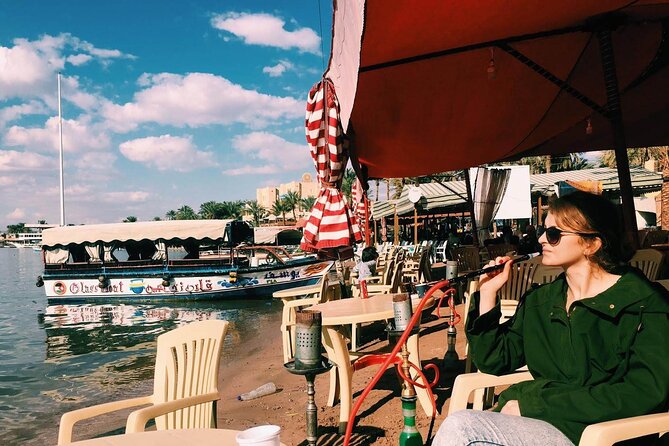
After Khabni, the walk continues to Souq al Khodra, identified as the first market established in Aqaba. This is the part of the route where you see the city’s everyday shopping life most directly.
Your guide points out meat shops, vegetable sellers, and other local businesses. You may also see farmers selling herbs from simple carts. That scene is valuable because it shows a basic connection between local produce and local cooking. The market is not only a backdrop for photographs. It is a working place where ingredients move from seller to kitchen.
You have the chance to taste some of the herbs if you wish. This is a small but memorable feature. Herbs can look familiar until you smell or taste them, and a guide can explain how they fit into Jordanian dishes.
I would treat this stop as an opportunity to ask questions. You can ask about the ingredients you see, how they are used, or which foods are common in Aqaba. The more curious you are, the more useful this part of the tour becomes.
The market may also be the least polished section of the walk. That is not a criticism. It means the setting can feel practical and busy rather than designed for sightseeing. Shops may be close together, and market walking requires attention to where you step and how you move with the group.
More Food Tours in Aqaba:
- Wadi Rum: Explorer Jeep Tour PASS + Local Food + Optional Stay
★ 5.0 · 93 reviews - Aqaba Walking Tour : History ,Culture & Food
★ 5.0 · 54 reviews - Wadi Rum Full Day Jeep Tour – Stargazing Overnight in a Cave – Traditional Food
★ 5.0 · 38 reviews - Amman Walking Tour: Hidden Gems, Culture & Street Food
★ 5.0 · 241 reviews
Spices That Explain Jordanian Cooking

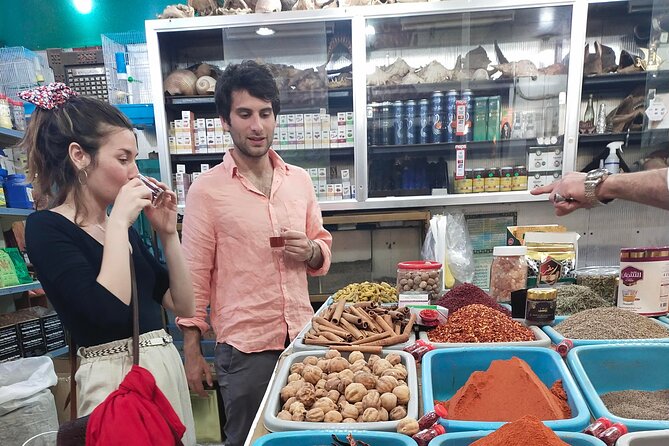
The spice shop is another strong stop. Here you see how fresh spices are prepared for traditional Jordanian dishes and learn that different cities in Jordan have their own food traditions.
That last point matters. Jordanian food is often discussed as if it were one fixed menu, but regional cooking has its own habits and preferences. The guide uses the shop to connect ingredients with the wider culture of Jordanian food.
A spice shop also gives you something concrete to remember after the tour. You may forget the name of a side street, but the smell of freshly prepared spices tends to stay with you. You can look more closely at the colors, textures, and blends, then connect them with dishes you encounter during the rest of your time in Jordan.
The tour does not promise a full cooking lesson, so I would not book it expecting recipes or detailed instruction on preparing every dish. Its value is in the introduction. You see the ingredients in their market setting and learn why food differs from one Jordanian city to another.
For anyone interested in food, this stop helps make the tasting more meaningful. You are not just sampling something because it is offered. You have already seen part of the process behind the flavor.
Bakeries, Sweets, Coffee, and Street Food
Food is the heart of this Aqaba experience. The route includes local and popular sweets, and the food stops can include traditional bakery treats, coffee, tea, and street food.
A useful detail from the experience is the way the food may begin with something sweet. The guide Abed arranged a stop at an excellent bakery for a traditional dessert before continuing through the market area. That order gives the walk a relaxed, social rhythm. You start with a small treat, then continue exploring rather than sitting down for one long meal.
You should think of this as a tasting walk, not a full restaurant lunch. The available information does not specify every dish, portion size, or dietary option. If you have allergies or strict dietary needs, ask the provider before booking and explain your restrictions clearly.
The food is valuable because it reflects Jordanian society in a practical way. Sweets, tea, coffee, spices, and street food are not separate from culture. They are part of how people welcome one another, take breaks, celebrate, and spend time together.
I also like that the route seems to combine formal shops with simple market food. A bakery gives you one view of local eating, while a street stall or herb cart gives you another. Together, those stops offer more range than a standard restaurant tasting.
The strongest praise for the experience centers on the food, the chance to see local life, and the quality of the guide. That combination is important. Food alone can be enjoyable, but food explained by someone who cares about Aqaba becomes much more memorable.
Guides Abed and Mohamed Set the Tone
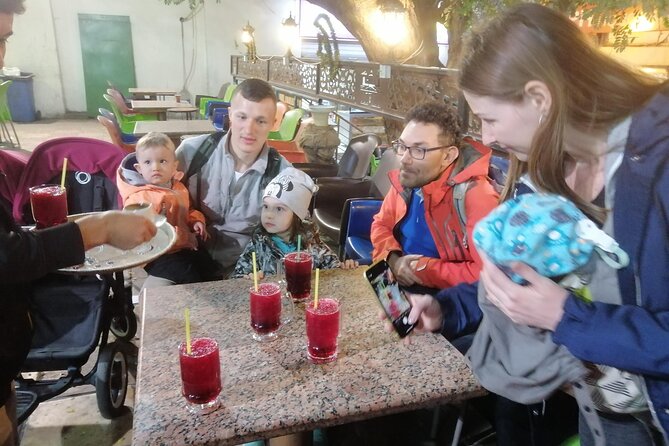
The guide can make or break a cultural walk, and the names connected with this experience are Abed and Mohamed. Mohamed is described as friendly, chatty, proud to be Jordanian, and clearly fond of Aqaba. Abed is praised for excellent English, warmth, charm, wit, and humor.
Those qualities fit the tour well. You are not simply following a route from one food stop to another. You are listening to stories about the café, the market, local people, and Jordanian food traditions. A guide who enjoys conversation can make the experience feel more like walking with a local acquaintance than attending a formal lecture.
I would choose this tour if you value personality and conversation. It suits you if you like asking questions and trying foods you may not recognize. It is less suitable if you prefer a tightly scripted historical tour with exact timings at every stop.
Language is another practical strength. The guide associated with the strongest comments is praised for excellent English, while another is described as chatty and friendly. That should help if you want explanations rather than a silent food crawl.
Keep in mind that guide assignments can vary. The experience provider is Abed, but the information also names Mohamed as a guide. The tone may depend on who leads your particular departure.
What $47 Gets You
At $47, this is not the cheapest way to walk through Aqaba, but it can offer good value if you make use of the guide and tastings. You are paying for about three hours of local orientation, market access, cultural explanation, and food and drink experiences.
The value is strongest during a first visit. If you tried to find Khabni, Souq al Khodra, a spice shop, a bakery, and local street food on your own, you might see some of these places but miss the connections between them. The guide gives the route structure and explains what you are looking at.
The price also covers convenience. You meet at a clear central point, walk with someone who knows the local stops, and return to the same meeting place. There is no need to arrange transport between each part of the experience.
Still, you should confirm exactly what tastings are included before you book. The description and food comments make clear that eating and drinking are central, but they do not list every item or portion. If you are comparing this with a full restaurant meal, remember that the tour is paying for access and guidance as well as food.
For me, the tour is worth considering as an introduction to Aqaba, particularly if you have only a short stay. It gives you a useful first look at the city before you return to explore the markets on your own.
Who Should Book This Walking Tour
I would recommend it to you if you enjoy:
- Local markets more than major monuments
- Small food tastings and traditional sweets
- Meeting people through everyday places
- Guides who tell stories and joke with the group
- Walking at an easy cultural pace for about three hours
- Learning how ingredients connect to Jordanian cooking
It is also a good choice for a first day in Aqaba. The route can help you understand where to eat, what ingredients matter, and how the older market area feels.
You may want another type of activity if you are looking for a long formal meal, a historical monument tour, a private experience, or a sightseeing route built around Aqaba’s coastline. This tour focuses on food and local contact. Its rewards are small details rather than big set-piece attractions.
Most people can participate, and the tour is near public transportation. Since it requires good weather, you should keep some flexibility in your schedule. If poor weather cancels the activity, you can receive a different date or a full refund.
Free cancellation is available if you cancel at least 24 hours before the start time. Cancellations or changes made within 24 hours are not refunded or accepted, and the activity can also be canceled if its minimum number is not reached.
Should You Book the Aqaba Food and Market Walk?
I would book this tour if you want Aqaba explained through tea, spices, market stalls, sweets, and conversation. The visit to Khabni café and the walk through Souq al Khodra give it a stronger local character than a basic food tasting.
The best reason to go is the combination of food and personal guiding. Abed and Mohamed are praised for warmth, humor, English skills, and pride in Aqaba. That matters because the markets become much more interesting when someone helps you understand how people use them.
I would skip it only if your priority is architecture, beaches, or a full sit-down meal. For everyone else, $47 is a fair price for a three-hour introduction to Aqaba’s old markets and food culture, especially at the start of your Jordan trip.
FAQ
Where does the Aqaba walking tour begin?
The tour begins at the gate of McDonald’s in Aqaba, Jordan.
Where does the tour end?
The activity ends back at the meeting point at McDonald’s.
How long does the experience last?
The walking tour lasts approximately three hours.
What places does the tour visit?
The route includes Khabni shisha café, Souq al Khodra, local market shops, herb sellers, a spice store, and food stops such as bakeries and street-food locations.
What drinks can you try at Khabni café?
You can choose hibiscus tea or cardamom tea.
Does the tour include food tasting?
Food tasting is a central part of the experience. The tour includes local sweets and food, with the experience also featuring coffee, tea, bakery treats, and street food.
How many people can join the tour?
The activity can have a maximum of 30 people.
Can I cancel for a full refund?
Yes. You can cancel at least 24 hours before the start time for a full refund. Cancellations made less than 24 hours before the experience are not refunded.
More Walking Tours in Aqaba
- Private Walking Tour in Amman With Local
★ 4.5 · 77 reviews - Private Street Food and Walking Tour Amman Downtown
★ 5.0 · 71 reviews - Amman Food Tours: 3-Hours Guided Walking Food Tour in Amman
★ 5.0 · 71 reviews - Day or Night Walking Tour in Downtown With Local
★ 4.5 · 50 reviews
Just added in Aqaba
- Wadi Rum Classic 4-Hour Jeep Safari★ 5.0 · 3 reviews
- Wadi Rum: Scenic 2 Hour Jeep Tour or Sunset Jeep Experience★ 5.0 · 7 reviews
- Wadi Rum: Half Day Jeep Tour –★ 5.0 · 1 review
- Wadi Rum: Half-Day Jeep Tour with Local guide★ 5.0 · 1 review
- Wadi Rum: Full-Day Jeep Tour with Lunch★ 5.0 · 2 reviews
- Wadi Rum: Full day Jeep tour★ 5.0 · 2 reviews
- Wadi Rum: Famous place UNESCO Jeep Tour Camel Ride Option★ 5.0 · 2 reviews
- WADI RUM: ALL DAY JEEP TOUR with overnight and full meals★ 5.0 · 3 reviews
Aqaba Tours, compared.

3-Day Private Tour from Amman: Petra, Wadi Rum, Dana, Aqaba, and Dead Sea
Read our review →
Wadi Rum Full Day Jeep Tour + Overnight & Dinner in Bedouin Camp
Read our review →

Private Red Sea Diving for Beginner or Experienced
Read our review →

Bedouin Camp Stay,Full-Day Desert Tour with 3Meals
Read our review →

Full-Day Jeep Tour and Sleeping in cave Night Under the Stars
Read our review →Browse the lists this tour appears in