
Reviewed · AQABA TOURS
Stargazing Adventure in Jordan
The desert gets better after dark. This 90-minute Wadi Rum stargazing outing pairs a clear, easy astronomy talk with professional-guided sky watching and telescope time. I especially like the no-fuss transfers from most Disi Area camps and the split format, which gives you both naked-eye constellation lessons and a closer look at distant objects.
The price is fair at $30 per person, particularly because transport is included and the program uses large GPS-enabled telescopes. The main caution is that expectations matter: the site is still near the Wadi Rum camps, and telescope viewing depends heavily on weather, visibility, and how many people are sharing the equipment.
In This Review
- Key things to know before you go
- Why Wadi Rum works so well after sunset
- The evening starts with a short presentation
- Group One follows the green laser across the sky
- Group Two uses GPS-guided telescopes
- The group switch keeps the program moving
- Transfers save you from a risky desert drive
- Is $30 a good value?
- What the program does especially well
- What may disappoint you
- Who should book this Wadi Rum stargazing experience?
- Final call: a worthwhile desert night for most beginners
- FAQ
- Where does the stargazing tour take place?
- How long does the experience last?
- What time is pickup?
- Does pickup happen after dinner?
- What happens during the astronomy presentation?
- Do all participants use both the laser and the telescopes?
- What can I see through the telescopes?
- Is transportation included?
Key things to know before you go
- Two astronomy sessions in one evening: You move between laser-guided constellation watching and telescope viewing, with each section lasting about 35 minutes.
- A 20-minute seated presentation comes first: The introduction explains basic astronomy on a large screen before you head outside.
- Pickup usually follows dinner: Winter pickup from local Disi Area camps begins around 7:45 PM. Summer times change, so check the schedule.
- The green laser does more than point upward: It helps explain directions, star movement, zodiac signs, constellations, and old myths.
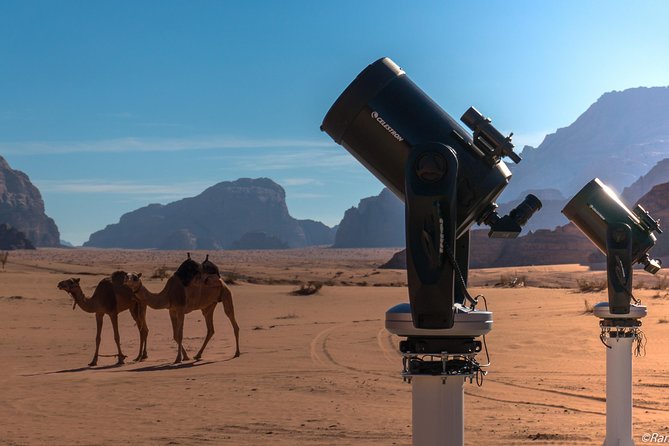
- The telescopes use GPS systems: The equipment is computerized and aimed at targets such as galaxies, nebulae, planets, and moons.
- Weather controls the evening: Poor conditions can lead to a new date or a full refund, while cancellations made less than 24 hours ahead are not refundable.
Why Wadi Rum works so well after sunset
Wadi Rum is famous for red cliffs and wide desert views by day. At night, its greatest asset is what you cannot see in a standard city setting: far less artificial light. That makes the sky a central part of this experience, rather than a backdrop to a more active desert outing.
You do not need to know the names of stars before arriving. The presentation and guided session are designed to give you a starting point, then help you recognize patterns overhead. I like this approach because a good stargazing experience should leave you able to look up later and find something for yourself.
Still, low light pollution does not mean perfect conditions every night. Clouds, haze, moonlight, and visibility can affect what appears through a telescope. The experience requires good weather, so keep your evening plans flexible.
More Aqaba trips:
- 3-Day Private Tour from Amman: Petra, Wadi Rum, Dana, Aqaba, and Dead Sea
★ 5.0 · 425 reviews - Wadi Rum Full Day Jeep Tour + Overnight & Dinner in Bedouin Camp
★ 5.0 · 368 reviews - Wadi Rum: Morning or Sunset Jeep Tour
★ 5.0 · 285 reviews
The evening starts with a short presentation
Pickup begins around 7:45 PM in winter from local camps in the Disi Area, after dinner. That timing is useful. You do not have to rush through your meal or choose between eating and stargazing, and you avoid arranging a separate nighttime drive across the desert.
Once you arrive, the program opens with a 20-minute presentation in a seated hall. A professional astronomer uses a large screen to explain the cosmos in a way intended for a general audience. This is not a technical observatory course, but it gives you enough background to understand what follows outside.
The presentation is one of the strongest parts of the program. It creates a simple bridge between the science and the spectacle. Instead of pointing a telescope at an object and giving you only its name, the astronomer can explain what you are looking at and why it matters.
If you already own a telescope or follow astronomy closely, you may find some of the material basic. For most visitors, that is a benefit rather than a flaw. You can enjoy the session without needing prior knowledge, and the format leaves room for questions and practical explanations.
Group One follows the green laser across the sky
After the indoor talk, the group is divided into two equal sections. One begins with naked-eye stargazing, guided by a professional astronomer using a powerful green laser. A candle track surrounds the viewing area, adding a little atmosphere while helping define the space in the dark.
The laser session lasts about 35 minutes. It covers directions in the desert, using the stars as a natural guide. The astronomer also explains the daily and yearly movement of the stars, then points out visible constellations and zodiac signs.
This is where the program becomes more than a simple look through a telescope. A telescope can show you a distant object, but the laser session teaches you how to orient yourself under the night sky. You begin to understand that the stars are not scattered randomly. They form patterns that people have used for navigation, calendars, and stories.
The mythology portion adds a human touch. You hear the stories connected with constellations from several cultures, not just a list of scientific labels. That mix of astronomy and old storytelling works well in Wadi Rum, where the open desert makes the sky feel tied to earlier ways of finding direction and measuring time.
The drawback is that this portion may feel basic if you expect a long, detailed astronomy lecture. The session is designed for a mixed group, and the laser points out selected objects rather than offering an exhaustive tour of every visible constellation. I would treat it as a clear introduction and a way to get your bearings fast.
Group Two uses GPS-guided telescopes
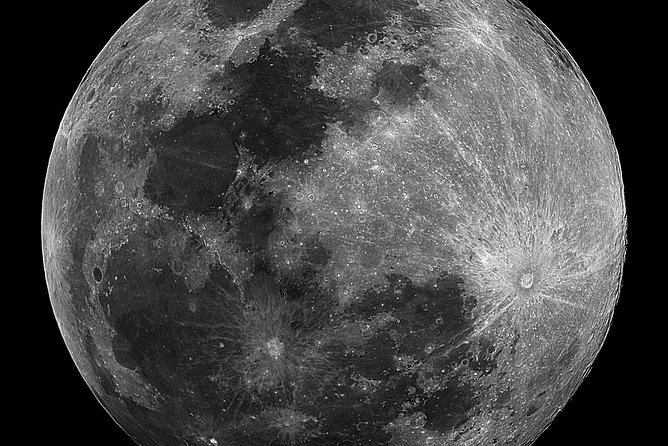
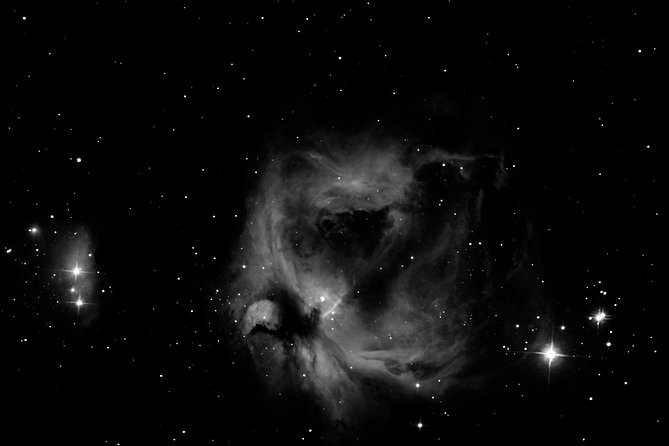
The second section takes place around large telescopes fitted with computerized GPS systems. A separate astronomer guides this part and selects targets that can include galaxies, nebulae, planets, and moons.
The GPS feature matters because it allows the equipment to locate specific objects rather than relying only on manual searching. That gives the program a more organized rhythm, especially for people who have never used a telescope. You are not left guessing where to look or waiting while someone spends the entire session searching for one faint point.
You spend about 35 minutes with the telescopes before the groups switch. That means everyone receives both portions of the program. The arrangement is practical, though the exact quality of your view depends on the conditions and the number of people waiting for a turn.
This is also the part where expectations need care. A telescope cannot guarantee a dramatic, colorful view every night. Some targets may appear faint or small, and a poor atmosphere can reduce clarity. One person found the telescope viewing disappointing, while the presentation and staff attention remained the strongest part of the evening. That is a useful warning if you are imagining glossy space photographs.
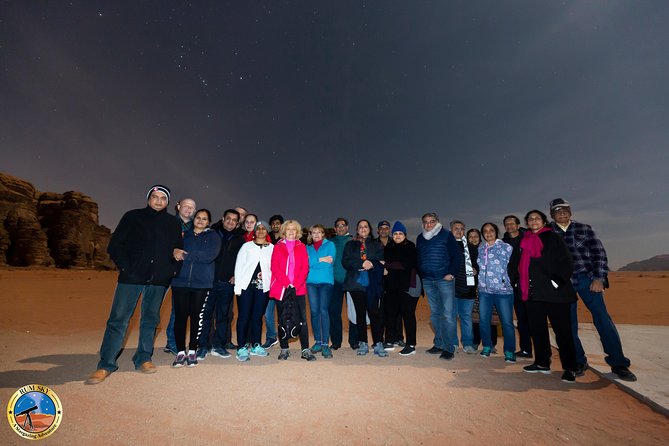
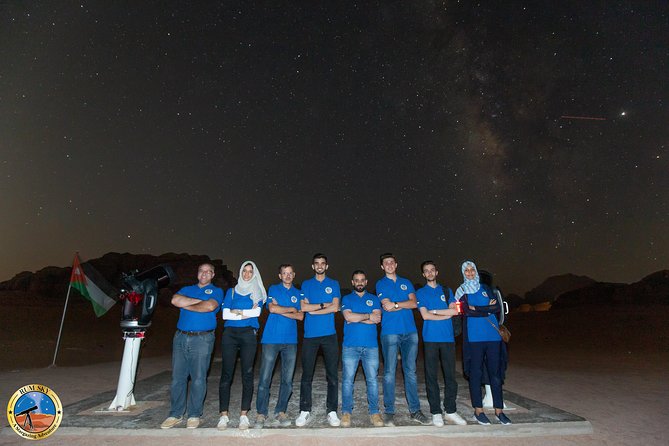
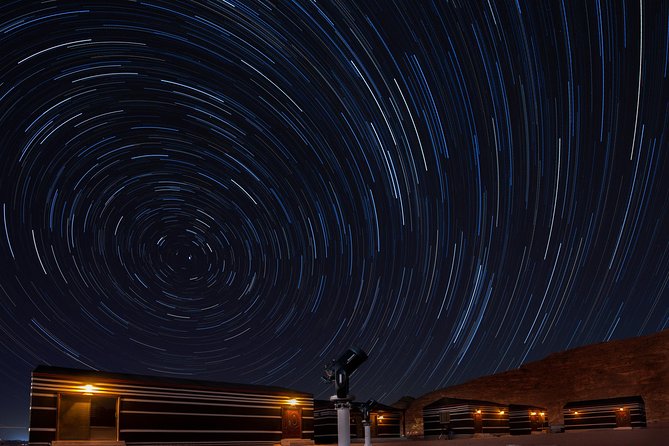
On the other hand, the equipment has earned strong praise for its quality, and the local astrophotography help can be useful if you bring an interest in photographing the sky. The program includes a group photograph using a time-exposure technique, designed to show the night sky and its objects. It is a keepsake, not a replacement for a dedicated astrophotography session.
A completely different kind of day out:
- Aqaba: Private Red Sea Diving for Beginner or Experienced
★ 4.9 · 230 reviews - Journey of Diving or Snorkelling from a Boat
★ 5.0 · 218 reviews - Wadi Rum Cave Camping with Jeep Tour
★ 5.0 · 200 reviews - Wadi Rum: Bedouin Camp Stay,Full-Day Desert Tour with 3Meals
★ 4.9 · 198 reviews
The group switch keeps the program moving
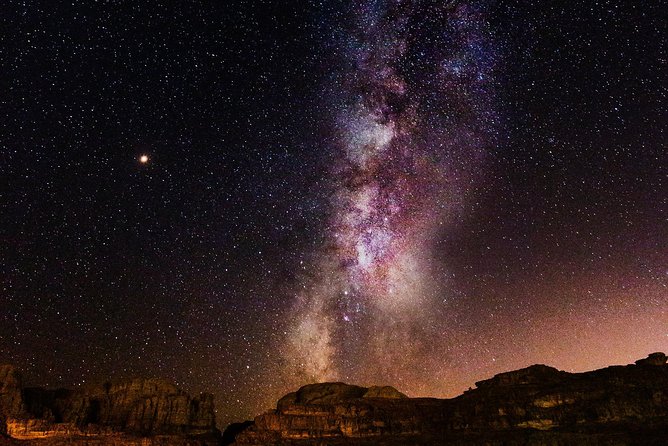
At the midpoint, the two sections change places. If you start with the laser, you then move to the telescopes. If you begin at the telescopes, you finish with the sky tour.
I like this structure because it avoids making half the group wait through a long lecture or idle beside one telescope. The two astronomers can focus on their own part of the program, and everyone receives the same core experience.
The maximum group size is 120 people, which is large. The two-group system helps, but you should not expect a private astronomy lesson. The experience works best if you are comfortable sharing viewing time and listening within a sizeable group.
That size also explains why the program uses a presentation, a laser, and GPS equipment. These tools let the astronomers communicate with many people at once. If you want quiet, individual attention, or long uninterrupted time at an eyepiece, this may feel too organized and crowded.
Transfers save you from a risky desert drive
Round-trip transportation is provided free for most local camps in the Wadi Rum area. Pickup is offered from camps in the Disi Area, and the winter departure time is around 7:45 PM after dinner. Summer hours change, so confirm the current pickup time before you settle into your evening.
This is more than a small convenience. Night driving in an unfamiliar desert area is not something you need to add to your trip, especially when the tour already operates after dark. The included transfer also makes the $30 price easier to justify.
You should check the camp list before booking because transport is not described as covering every possible accommodation. If your camp is outside the usual pickup area, do not assume the transfer is included. Clarify that point ahead of time.
Water and soft drinks are available at a reasonable cost, but bottled water is not included. Bring some cash or plan to purchase a drink if you need one. The tour is short, yet desert nights can still feel dry.
Is $30 a good value?
At $30 per person, this is a sensible add-on to a Wadi Rum stay. You receive the presentation, two guided astronomy formats, access to large telescopes, a time-exposure group photograph, and round-trip transport from most local camps.
The value is strongest for first-time stargazers. You do not need to research constellations, find an observatory, arrange transport, or learn how to set up equipment. The staff handles the technical side while giving you enough explanation to follow along.
The value is less certain for an experienced amateur astronomer. If you own a good telescope, already know the constellations, or want a private session with long viewing time, the shared format may not satisfy you. The maximum capacity of 120 people is a clear sign that this is a public group program, not a personal observatory appointment.
The cost also buys convenience. A separate desert transfer could add expense and effort, while this outing fits neatly after dinner. For many people, that simplicity is as important as the telescope itself.
What the program does especially well
The most praised elements are the clear talk, the quality of the telescopes, and the friendly handling of the group. The presentation is described as easy to follow while still full of useful information, which is exactly what you want from a short evening program.
The astronomy team also appears comfortable helping people with practical questions. If you bring your own telescope interest, you may get useful advice about equipment or photographing what you see. That is a nice bonus, though it should not be treated as a formal astrophotography workshop.
The staff’s handling of difficult group behavior is another quiet strength. A large public outing can be spoiled by one disruptive person, so calm management matters. You are still sharing the evening with strangers, but the team works to keep the program on track.
The group photograph is a fun finish. Time exposure can capture more of the sky than your phone will manage on its own, and it gives you a record of the evening. Ask about the photo process at the end if you want to understand how the sky objects are being highlighted.
What may disappoint you
The biggest risk is expecting a planetarium-quality show or a private view of spectacular deep-space objects. The telescope experience can be impressive, but it is still dependent on actual sky conditions and shared equipment.
The naked-eye session may also feel too simple if your main goal is advanced astronomy. The laser helps everyone follow along, but the explanations focus on accessible points: direction, star movement, constellations, zodiac signs, and mythology.
The location may not feel as remote as you expect. The observing site is associated with the Wadi Rum camp area, so do not assume you will be driven far from every source of light. If complete darkness is your top priority, ask about the specific meeting area before committing.
The program is also short. Ninety minutes is enough for a useful introduction, but not enough for an extended tour of the sky. You are getting a well-planned sampler, not an all-night observing session.
Who should book this Wadi Rum stargazing experience?
I would recommend it to you if you are staying in Wadi Rum and want a simple evening activity after dinner. Families, couples, curious beginners, and anyone who likes stories about the zodiac should find the format approachable.
It is also a good choice if you want professional guidance without spending a large amount. The presentation gives structure, the laser makes the sky easier to understand, and the telescopes add a hands-on sense of discovery.
You may want to skip it if you dislike group activities, need guaranteed views of particular planets, or already have advanced astronomy skills. You should also think twice if your schedule cannot handle a weather-related change, since the experience may be canceled in poor conditions.
Book at least a day ahead if possible. The outing is commonly reserved well in advance, with an average booking lead time of about 34 days. You can cancel for a full refund up to 24 hours before the start time, but cancellations or changes inside that window are not refunded or accepted. If weather cancels the program, you are offered another date or a full refund.
Final call: a worthwhile desert night for most beginners
You should book the Stargazing Adventure in Jordan if you want an affordable, guided introduction to the Wadi Rum sky. The best reasons are the after-dinner pickup, the useful 20-minute presentation, the two-part format, and the chance to use large GPS-equipped telescopes without arranging everything yourself.
Go with realistic expectations. The laser session is introductory, the group can be large, and telescope views vary with the night. If you accept those limits, the $30 cost offers a pleasant and practical way to see Wadi Rum from a different angle, with enough science and storytelling to make the stars easier to recognize long after you leave the desert.
FAQ
Where does the stargazing tour take place?
The experience takes place in Wadi Rum, with pickup available from most local camps in the Disi Area.
How long does the experience last?
The total duration is approximately 1 hour and 30 minutes.
What time is pickup?
In winter, pickup begins around 7:45 PM. Summer pickup times change, so check the current schedule with the provider.
Does pickup happen after dinner?
Yes. Pickup is arranged after dinner for local camp visitors.
What happens during the astronomy presentation?
A professional astronomer gives a 20-minute presentation about astronomy on a large screen in a seated hall.
Do all participants use both the laser and the telescopes?
Yes. The group is split into two sections, and the sections switch halfway through so everyone receives both the naked-eye laser session and telescope session.
What can I see through the telescopes?
Possible targets include galaxies, nebulae, planets, and moons. The exact viewing depends on weather and sky conditions.
Is transportation included?
Free round-trip transportation is provided for most local camps. Check the pickup list to confirm that your camp is covered.
Just added in Aqaba
- Wadi Rum Classic 4-Hour Jeep Safari★ 5.0 · 3 reviews
- Wadi Rum: Half Day Jeep Tour –★ 5.0 · 1 review
- Wadi Rum: Half-Day Jeep Tour with Local guide★ 5.0 · 1 review
- Wadi Rum: Scenic 2 Hour Jeep Tour or Sunset Jeep Experience★ 5.0 · 7 reviews
- Wadi Rum: Full-Day Jeep Tour with Lunch★ 5.0 · 2 reviews
- Wadi Rum: Full day Jeep tour★ 5.0 · 2 reviews
- Wadi Rum: Famous place UNESCO Jeep Tour Camel Ride Option★ 5.0 · 2 reviews
- WADI RUM: ALL DAY JEEP TOUR with overnight and full meals★ 5.0 · 3 reviews
Aqaba Tours, compared.
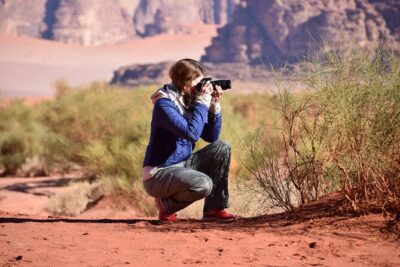
3-Day Private Tour from Amman: Petra, Wadi Rum, Dana, Aqaba, and Dead Sea
Read our review →
Wadi Rum Full Day Jeep Tour + Overnight & Dinner in Bedouin Camp
Read our review →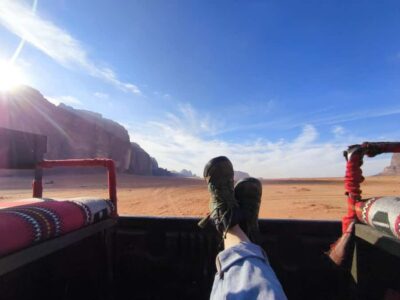
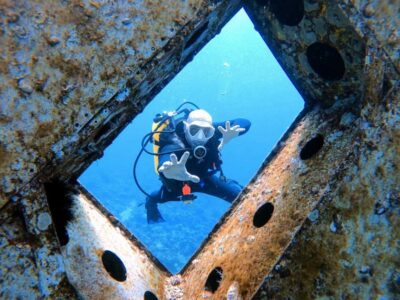
Private Red Sea Diving for Beginner or Experienced
Read our review →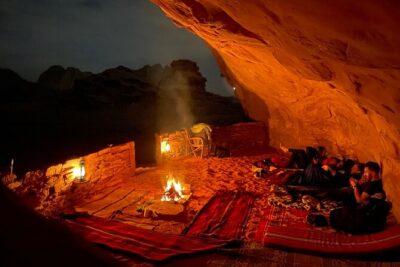
Bedouin Camp Stay,Full-Day Desert Tour with 3Meals
Read our review →

Full-Day Jeep Tour and Sleeping in cave Night Under the Stars
Read our review →Browse the lists this tour appears in