
Reviewed · 7-DAY EXPERIENCES
7 Days Jordan and Jerusalem Private Tour
Ancient cities, sacred hills, and desert sunsets make this a memorable route. I like the private format, which gives your group its own air-conditioned vehicle, English-speaking driver, bottled water, and a more flexible pace than a large coach tour. I also like the unusual balance between sightseeing and rest, with about a day and a half at the Dead Sea.
The strongest part is the range: you move from Roman ruins at Jerash and Byzantine mosaics in Madaba to Petra’s rose-colored rock and Jerusalem’s holy sites. Drivers named Ramadan and Mohammad receive especially warm praise for being helpful and attentive. The main concern is the schedule: crossing between Jordan and Israel, then returning to Jordan for Petra, makes this a demanding trip with border procedures and extra costs.
In This Review
- Key things to know before booking
- Arrival in Amman and a gentle first evening
- Ajloun Castle and Jerash on day two
- Madaba, Mount Nebo, and the Jordan River
- The Dead Sea break is a real strength
- Crossing to Jerusalem and seeing the holy city
- Petra and the change from city to desert
- Wadi Rum and the final night under wide skies
- What the $1,009.99 price really covers
- Who will get the most from this route
- Should you book the 7 Days Jordan and Jerusalem Private Tour?
- FAQ
- Where does the tour begin?
- How long is the tour?
- Is this a private tour?
- What transport is included?
- Are meals included?
- Is the Jordan Pass included?
- Are Jerusalem entrance fees included?
- Are border expenses included?
Key things to know before booking
- A private seven-day route connects Amman, northern Jordan, the Dead Sea, Jerusalem, Petra, and Wadi Rum without placing you in a large group.
- The Dead Sea gets real rest time, not just a quick photo stop, making this useful if floating and relaxing matter as much as ruins.
- Jerash and Petra provide very different ancient experiences, with Greco-Roman streets in the north and dramatic Nabataean architecture in the south.
- The Jerusalem day is packed, covering the Mount of Olives, Temple Mount, Via Dolorosa, Church of the Holy Sepulchre, Mount Zion, and the Old City.
- Border costs are extra, including the shuttle bus, Israel visa and departure taxes, and entrance fees for Jerusalem and Bethlehem sites.
- The advertised route needs clarification, since Bethlehem appears in the tour description but no separate Bethlehem stop appears in the detailed schedule.
Arrival in Amman and a gentle first evening
Your tour begins at Queen Alia International Airport, where a representative meets you after customs with a welcome sign bearing your name. The transfer to your Amman hotel takes about 30 minutes, followed by check-in and an overnight stay.
That first evening is deliberately light. You are not pushed straight into a sightseeing program after your flight, which is a sensible choice for a route that becomes much busier later. The airport pickup also removes one early nuisance: figuring out transport after arriving in a new country.
The tour includes an English-speaking driver rather than specifying a separate guide for every site. That arrangement can work well for a private road trip, especially when the driver is as helpful as Ramadan or Mohammad were described to be. Still, you should ask in advance which stops include a local guide and which are self-guided visits.
A few more Amman days worth comparing
- Amman: Petra, Wadi Rum, and Dead Sea 2-Day Tour
★ 4.9 · 1,173 reviews - 2-Day Tour: Petra, Wadi Rum, and Dead Sea from Amman
★ 5.0 · 1,141 reviews - From Amman: Petra & Wadi Rum Private or group Day Tour
★ 4.9 · 750 reviews
Ajloun Castle and Jerash on day two
Day two heads north to Ajloun Castle, a medieval Ayyubid fortress built in a region known for pine forests and greener countryside. You have about an hour at the castle, with admission included.
Ajloun is more than a stone fort. Its position reflects the military struggle between the Ayyubids and Crusaders, and the site gives you a useful introduction to northern Jordan before you reach the better-known monuments farther south. The surrounding Ajloun-Dibbine area also offers a change from Amman’s urban setting.
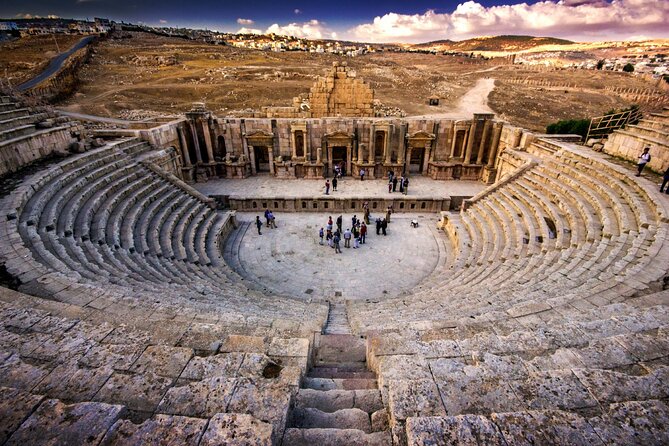
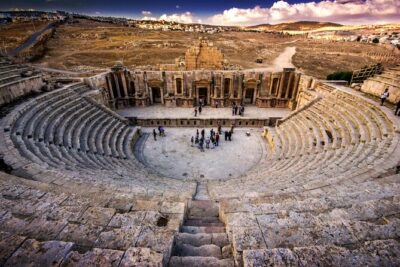
Next comes Jerash, with about three hours to explore and admission included. This is one of the tour’s best historical stops. Colonnaded streets, public spaces, and surviving Greco-Roman structures show how strongly Roman planning shaped this part of Jordan, while local influences give the ruins a character different from a European archaeological site.
I would want the full three hours here. Jerash is not a quick roadside photo stop. The scale of the ruins rewards a slower walk, and the town has a cultural connection to the annual Jerash Festival of Culture and Arts, a summer program of music, dance, and theater.
The practical point is pacing. Ajloun and Jerash make a full northern day, but the schedule gives both sites enough time to feel worthwhile. Spring is described as a particularly pleasant season for Jerash, when the surrounding hills are greener.
Madaba, Mount Nebo, and the Jordan River
Day three begins in Madaba, the city of mosaics. The scheduled visit lasts about 30 minutes and includes admission. That is enough for a focused look, but not a long exploration of the town.
Madaba matters because its Byzantine and Umayyad mosaics connect everyday life, art, and religious history. The best-known attraction is the mosaic map of the Holy Land, which gives you a visual sense of old pilgrimage routes and sacred places. Because the stop is short, you will want to stay focused rather than expect a broad city tour.
From Madaba, the vehicle climbs toward Mount Nebo. The mountain rises to almost 1,000 meters, and the drive from central Madaba takes about 15 minutes. On a clear day, the views reach toward the Dead Sea, Bethlehem, and Jerusalem.
Visibility will shape this stop. The religious importance is central, but the mountain is also valuable for the view and the sense of geographic connection between Jordan and the Holy Land. The schedule allows about an hour, which is enough to see the main site without turning the day into a long mountain visit.
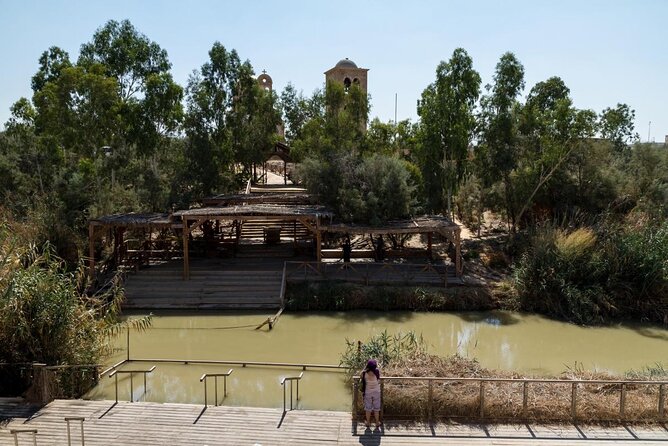
The Baptism Site of Jesus Christ, also known as Al-Maghtas, follows. You have about two hours there before heading toward the Dead Sea for the night. The site is especially important for Christian pilgrims, but its location along the Jordan River also gives the stop a strong geographic connection to the biblical places discussed at Mount Nebo.
The day then changes tone completely. You arrive at the Dead Sea hotel and have the rest of the day to relax.
The Dead Sea break is a real strength
The Dead Sea portion is one of the most appealing features of this tour. Instead of treating it as a ten-minute stop, the schedule gives you the rest of day three and part of day four in the region.
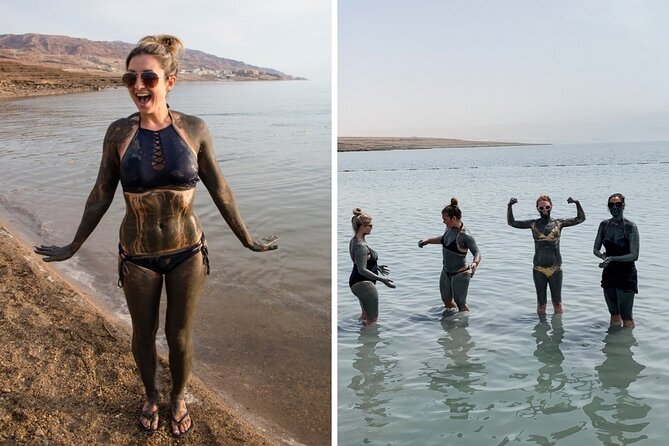
The Dead Sea is the lowest point in the world, and the experience is different from an ordinary beach visit. You can float in the highly salty water, rest at the hotel, and enjoy a slower stretch between Jordan’s religious sites and the long Jerusalem day.
This break also helps the route make sense physically. Ajloun, Jerash, Madaba, Mount Nebo, and Al-Maghtas provide several active sightseeing stops. A hotel-based pause afterward gives you room to recover before crossing to Israel.
The tour includes breakfast and dinner, but it does not say that all hotel meals are covered. Personal expenses are extra, so budget for anything outside the stated inclusions. The tour also lists six breakfasts, bottled water, private transport, and an air-conditioned vehicle.
A completely different kind of day out:
- From Amman: Petra and Wadi rum Full day Tour
★ 5.0 · 538 reviews - 2-Day Petra, Wadi Rum and Dead Sea Tour from Amman
★ 5.0 · 467 reviews - 3-Day Private Tour from Amman: Petra, Wadi Rum, Dana, Aqaba, and Dead Sea
★ 5.0 · 425 reviews - Petra Full-Day Private Tour from Amman
★ 4.9 · 392 reviews
Crossing to Jerusalem and seeing the holy city
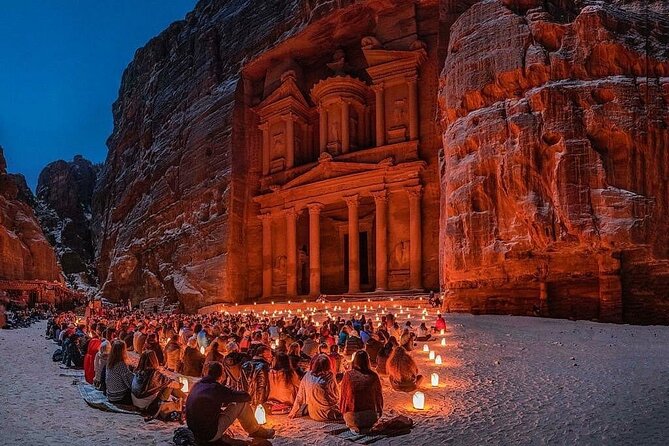
After breakfast on day four, you drive to King Hussein Bridge to leave Jordan for Jerusalem. The schedule gives about two hours to this transfer, but border crossings can involve procedures and waiting. The shuttle bus between immigration points is not included, and Israel visa requirements and departure taxes are also excluded.
This is the part of the trip that needs the clearest planning. You should confirm visa rules, documents, border fees, and the expected timing before departure. The route is private, but border control is not under the driver’s control.
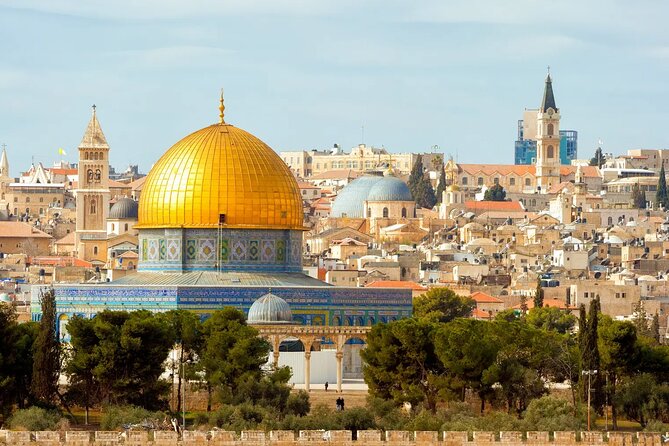
Once in Jerusalem, the day covers a remarkable number of major sites. You begin at the Mount of Olives, where an hour is set aside for views across the Old City. The hill is important to Christian pilgrims and is also home to one of the oldest continuously used cemeteries in the world.
The Temple Mount follows, with about an hour scheduled. The broad plaza and golden Dome of the Rock are among Jerusalem’s most recognizable sights. The area carries profound importance in Jewish and Muslim tradition, and access rules can change. Admission is not included, and the schedule does not guarantee entry inside every structure.
Next comes the Church of the Holy Sepulchre, another one-hour visit. Christian tradition places the crucifixion site here, and the church also marks the end of the Via Dolorosa. The interior can feel crowded, but the building’s layered history and religious importance make it one of the day’s essential stops.
You then walk along Via Dolorosa Street. The route follows the traditional Stations of the Cross, beginning east of the Al-Wad Street intersection and continuing toward the Church of the Holy Sepulchre. An hour is not enough for an unhurried exploration of every side street, but it gives you time to follow the main path.
Mount Zion adds another set of religious traditions. The area includes King David’s Tomb, the Last Supper Room, the Church of the Dormition, and the Church of St. Peter of Gallicantu. Some admissions are not included, so keep extra money available for sites you choose to enter.
The final listed stop is Jerusalem’s Old City. Its Ottoman walls and gates divide the city into distinct quarters, including Christian, Jewish, and Muslim areas. The schedule gives you about an hour, which is useful for orientation but short for a full Old City visit.
The Jerusalem day is impressive, but it is also the tightest day of the tour. You should expect a lot of walking, many religious sites, and limited time at each one. If you want long visits inside museums, churches, or archaeological areas, this route may feel hurried.
Petra and the change from city to desert
Day five is mainly a transfer to Petra, with an overnight stay in Wadi Musa. The detailed schedule does not list sightseeing stops that day, so treat it as a travel and recovery day rather than another major attraction day.
That overnight location is practical. Petra is best approached with enough energy for a substantial walk, and arriving the previous day means you are not trying to combine a long transfer with the archaeological site itself.
Day six gives Petra about six hours, with admission included. This is the right amount of time for a meaningful visit, although the site is large and six hours can pass quickly.
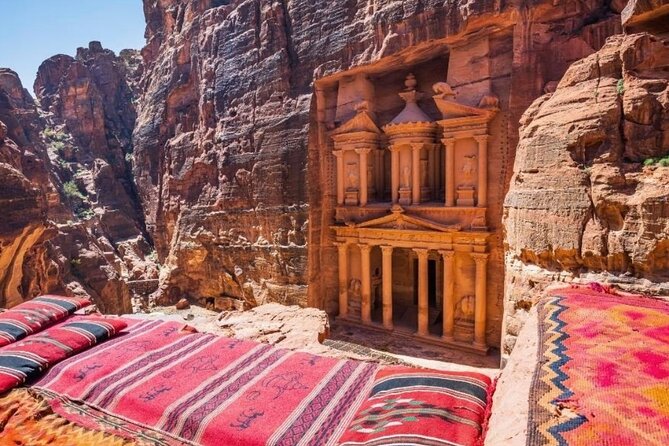
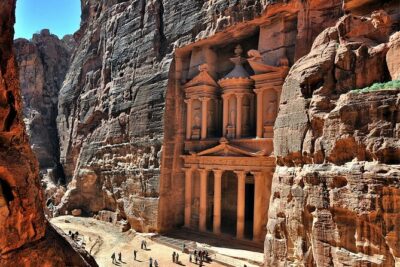
Petra is famous for its carved stone architecture, but the experience is not limited to the Treasury. You walk through a desert-and-rock setting where the monuments appear gradually, making the approach part of the attraction. Comfortable footwear matters, and you should expect time on foot.
The tour describes Petra as one of the world wonders and links it with southern Jordan’s desert setting. That pairing is sensible: Petra provides the major archaeological experience, while Wadi Rum shifts the focus to open space, rock formations, and sunset.
Wadi Rum and the final night under wide skies
After Petra, you head to Wadi Rum Protected Area, often called the Moon Valley. The schedule allows about 14 hours, which includes the transition into this desert region and the overnight period.
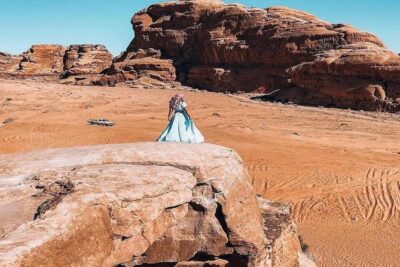
The stated highlight is sunset. Wadi Rum is not presented as a long list of activities, so you should not assume that jeep rides, camel trips, or other add-ons are included unless the operator confirms them. What is included is admission to the protected area.
This part gives the tour a strong final image: after Roman cities, sacred mountains, a saltwater rest, Jerusalem’s dense Old City, and Petra’s carved stone, you finish among broad desert views. The rhythm is varied, though the long driving days mean you should be comfortable spending substantial time in a vehicle.
On day seven, the drive back to the airport takes about three and a half hours, with arrival by evening. Plan your flight around that stated timing and leave room for delays. The tour ends with airport transport and departure.
What the $1,009.99 price really covers
At $1,009.99 per person, this is not simply an admission-ticket package. You are paying for a seven-day private route, airport pickup, private transportation, an English-speaking driver, an air-conditioned vehicle, bottled water, six breakfasts, dinner, and several included entrance fees.
The private vehicle is the key value. This route covers a large area, crosses an international border, and includes separate travel blocks for northern Jordan, the Dead Sea, Jerusalem, Petra, and Wadi Rum. Having one arranged transport plan is easier than piecing together taxis, buses, hotels, and border transfers yourself.
The price does not cover everything. Add the Jordan Pass, listed at 78 JOD and required before the travel date, plus personal expenses, driver gratuity, the border shuttle bus, Israel visa and departure taxes, and entrance fees for Jerusalem and Bethlehem sites.
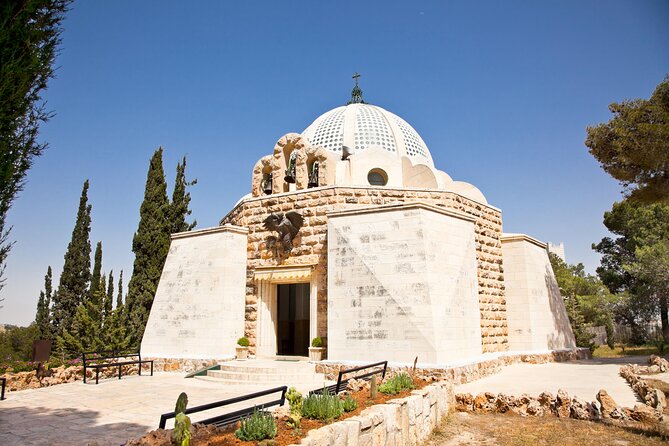
Bethlehem needs special attention. The general description says the trip visits Jerusalem and Bethlehem, but the detailed day four schedule names Jerusalem sites and does not list a Bethlehem stop. Confirm this before paying, especially if Bethlehem is one of your main reasons for booking.
The experience is commonly booked well ahead, about 165 days in advance on average. That suggests you should not leave the planning until the last minute, particularly because border documents and the Jordan Pass need attention.
Who will get the most from this route
I would recommend this tour to someone who wants a broad first visit and values private transport over independent planning. It suits you if you want Jordan’s major highlights, a short but substantial Jerusalem visit, and proper downtime at the Dead Sea.
It is also a good match if you prefer having one driver who follows the whole Jordan route. The positive feedback about Ramadan and Mohammad points to how much the driver relationship can affect the trip. Their roles include more than steering the car: a helpful driver can make transfers, hotel arrivals, and daily timing easier.
This is less suitable if you want slow, specialist visits. Jerusalem receives only one listed day, and several major places are allocated about an hour. The route is also not ideal for anyone who dislikes border procedures, long drives, or a tightly packed sightseeing schedule.
The tour is private, so only your group participates. That gives you more personal space than a shared coach trip, but the supplied information does not promise unlimited flexibility. Ask how much daily timing can be adjusted before you book.
Should you book the 7 Days Jordan and Jerusalem Private Tour?
Book it if you want a practical overview of Jordan with Jerusalem added, and if the Dead Sea rest period appeals to you. The strongest combination is the private transport, the well-chosen Jordan stops, the included Petra and Wadi Rum access, and the chance to spend meaningful time at the Dead Sea.
Before committing, confirm three points: the exact Bethlehem plan, the border requirements and extra fees, and what type of guiding is provided at each site. If those details match your expectations, the tour offers a lot of geography and history in seven days.
I would skip it if you want a relaxed pace, extensive time in Jerusalem, or a fully inclusive price with no border and admission extras. For an energetic first trip that combines ancient ruins, sacred places, desert scenery, and a proper rest stop, it is a strong option.
FAQ
Where does the tour begin?
The tour begins with pickup at Queen Alia International Airport in Amman, Jordan.
How long is the tour?
The tour lasts approximately seven days.
Is this a private tour?
Yes. Only your group participates in the private tour or activity.
What transport is included?
The tour includes private transportation in an air-conditioned vehicle, an English-speaking driver, and bottled water.
Are meals included?
The package includes six breakfasts and dinner. Personal expenses and anything not specifically mentioned are excluded.
Is the Jordan Pass included?
No. The Jordan Pass must be purchased before the travel date and costs 78 JOD according to the supplied details.
Are Jerusalem entrance fees included?
No. Entrance fees for Jerusalem and Bethlehem sites are not included.
Are border expenses included?
No. The shuttle bus at the border, Israel visa costs, and departure taxes are excluded.
Just added in Amman
- From Amman :Private full day tour to Jerash ,Ajoune and Um Qais★ 5.0 · 12 reviews
- Queen Alia Airport Transfers From / To Amman, Petra, Dead Sea.★ 5.0 · 3 reviews
- airport pick up & transportations Services★ 5.0 · 15 reviews
- 2-Day Private Tour in Jordan – Deluxe Tent★ 5.0 · 9 reviews
- FROM AMMAN | Petra & Wadi Rum in one day | The Jordanian Mappers★ 5.0 · 12 reviews
- Amman Private City Tour With Local Lunch★ 5.0 · 2 reviews
- From Amman to West ( Madaba, Mt Nebo, baptism site and dead sea)★ 4.0 · 5 reviews
- Wadi Rum Full-Day Private Tour from Amman or Airport★ 5.0 · 2 reviews
7-Day Experiences, compared.

7-Day Private Tour in Jordan: The Treasures Map
Read our review →
7 Days – 6 Nights Jordan Private Luxury Tour All Inclusive
Read our review →

Browse the lists this tour appears in